Skip to content
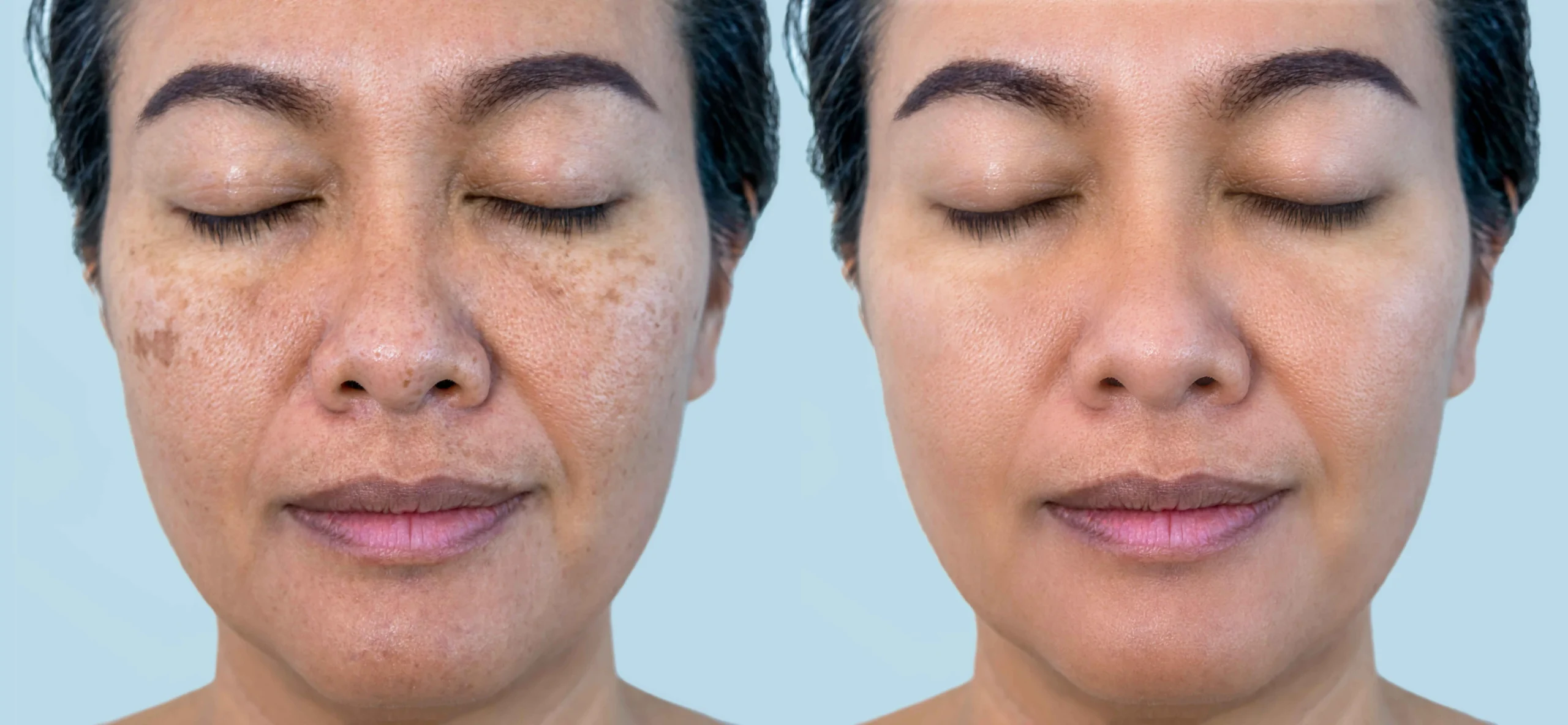
Table of Contents
Hyperpigmentation has a way of showing up at the worst time and then sticking around. It might be sun spots that feel more noticeable lately, or post-acne marks that won’t fully fade. At Seora Radiance, we see a lot of patients who want a clearer, more even tone but also want a safety-first plan. That’s where K-Pico can be a strong option for the right skin and the right type of pigment.
What Counts As Hyperpigmentation, And Why It Can Be Hard To Treat
Hyperpigmentation is an umbrella term for areas of skin that look darker than your natural baseline tone. It can be subtle, like a light brown haze, or more defined, like freckle-like spots that collect on the cheeks.
Common examples include sun spots, freckles, melasma, and post-inflammatory hyperpigmentation (PIH), like acne marks.
It can be tough to treat because pigment isn’t always created for the same reason. If triggers are still active, like sun exposure, heat, hormones, or ongoing inflammation, discoloration can return. And if treatment or skincare is too aggressive, irritation can make dark spots look worse instead of better.
What K-Pico Is And Why Picosecond Pulses Matter For Pigment
K-Pico is a picosecond laser platform used for pigment-focused treatments. “Picosecond” refers to the speed of the laser pulses, which are incredibly short. That timing matters because it changes how the energy interacts with pigment.
Instead of relying heavily on heat, picosecond energy creates a photomechanical effect. In simple terms, it breaks pigment into much smaller particles that your body can clear over time.
Because it can be more targeted with less heat spread than many older approaches, it may be a good fit for patients who want improvement with minimal disruption. Results still depend on your skin, the pigment type, and the settings used.
Which Types Of Hyperpigmentation Can K-Pico Help Most
Not all pigmentation behaves the same way, so the best results typically happen when the pigment type is a good match for the device and plan.
In general, strong candidates often include:
- Sun spots and age spots
- Freckles and clustered brown discoloration
- Some uneven tone patterns that are more superficial
Post-inflammatory hyperpigmentation (like acne marks) can respond, but results depend on what’s triggering the pigment and how reactive your skin is.
Melasma can improve for some people, but it’s known for relapsing, especially with sun exposure, heat, and hormonal triggers. That’s why melasma plans often start conservatively and lean heavily on maintenance habits.
If you’re searching for a hyperpigmentation treatment that’s actually matched to your skin, a consult matters. The goal is a realistic plan for your pigment pattern, not a generic promise.
When K-Pico May Not Be The Right Fit
A responsible conversation about pigmentation should include when not to treat, or when to pause and reassess.
K-Pico may not be the best fit if:
- The pigment is deeper than expected or not primarily melanin-driven, which can mean a slower response
- A spot looks unusual, raised, rapidly changing, bleeding, or crusting, which should be medically evaluated first
- Skin is actively irritated, very inflamed from acne, or recently over-exfoliated
- There’s a history of severe PIH, or you know, your skin tends to darken easily after irritation
That doesn’t mean you’re out of options. It means the plan needs to be adjusted. Sometimes the “right” step is barrier repair, a patch test, spacing sessions farther apart, or combining a pigment plan with gentler supportive care.
What “Safe” Looks Like: Skin Tone, PIH Risk, And Smart Settings
Safety in pigmentation treatment is about reducing avoidable risk while still aiming for visible improvement.
Skin tone and pigment tendency matter because higher melanin activity can make some people more prone to PIH if the skin is irritated. That doesn’t mean you can’t do treatment. It means settings, intervals, and technique have to be chosen carefully, and sometimes patch testing is a smart move.
Common PIH risk factors include recent sun exposure, heat exposure, aggressive skincare, picking, and ongoing inflammation.
Provider technique matters just as much as the device. Conservative energy choices and proper spacing between sessions can make a big difference.
Before treatment, safety often looks like:
- Avoiding sun and heat triggers as directed
- Prioritizing barrier repair over scrubbing or harsh actives
- Pausing irritants before your session, based on provider guidance
What To Expect After K-Pico For Hyperpigmentation
Most people want to know what they’ll look like the next day and how soon they’ll notice a change. Right after treatment, mild redness or warmth is common, and some spots may temporarily darken before they fade. That can be part of the clearing process.
Results are gradual. The laser breaks pigment into smaller fragments, and your body clears them over time, so improvement tends to show in stages. Downtime is usually minimal, but contact your provider if you notice unusual swelling, blistering, or significant discomfort.
Multiple sessions are common for stubborn or widespread pigment. If you’re considering a pico laser for dark spots, aim for steady progress with consistent sun protection.
How To Decide If K-Pico Is Your Best Next Step
A good decision starts with clarity. What kind of pigment do you have, how long has it been there, and what tends to trigger it?
A quick self-check can help: are the spots more defined (like sun spots) or more diffuse (like a patchy haze), and do they get darker after sun, heat, or inflammation?
During a consultation at Seora Radiance, ask questions that keep the plan grounded:
- How will you adjust settings for my skin tone and pigment type?
- What is your strategy to reduce PIH risk?
- What kind of progress is realistic over a few sessions, and how will we measure it?
Sometimes pigment overlaps with texture concerns or acne marks. In those cases, your provider may recommend a combined approach that still keeps your barrier protected.
Ready To Finally Get A Clear Plan For Your Dark Spots?
If hyperpigmentation has you stuck in a cycle of covering, correcting, and hoping it fades on its own, K-Pico may be a practical next step for clearer-looking skin when it’s matched to the right pigment type and handled with a safety-first approach. If you want a personalized recommendation, schedule a consultation with Seora Radiance to talk through your skin, your triggers, and a plan that feels realistic.